Bird Hazard Management
Protecting people, property, and operations through humane, compliant, and highly effective bird mitigation strategies.
Effective Bird Hazard Management is essential in environments where bird activity presents safety, hygiene, or compliance risks. Our specialist services focus on bird mitigation and ground-nesting bird management, delivering tailored, site-specific solutions.
Unmanaged bird presence can result in health hazards, operational disruption, structural deterioration, and environmental contamination. Bird fouling is highly corrosive, creates slip risks, obstructs drainage systems, and may harbour harmful pathogens.
In regulated environments, failure to control bird activity can lead to non-compliance with health, safety, food hygiene, and biosecurity legislation.

Health & Safety Risks
Slip hazards, disease transmission, and aggressive territorial behaviour.
Operational Disruption
Blocked drainage, delayed works, and restricted access to critical areas.
Compliance & Legal Risk
Breaches of wildlife protection, food hygiene, and workplace regulations.
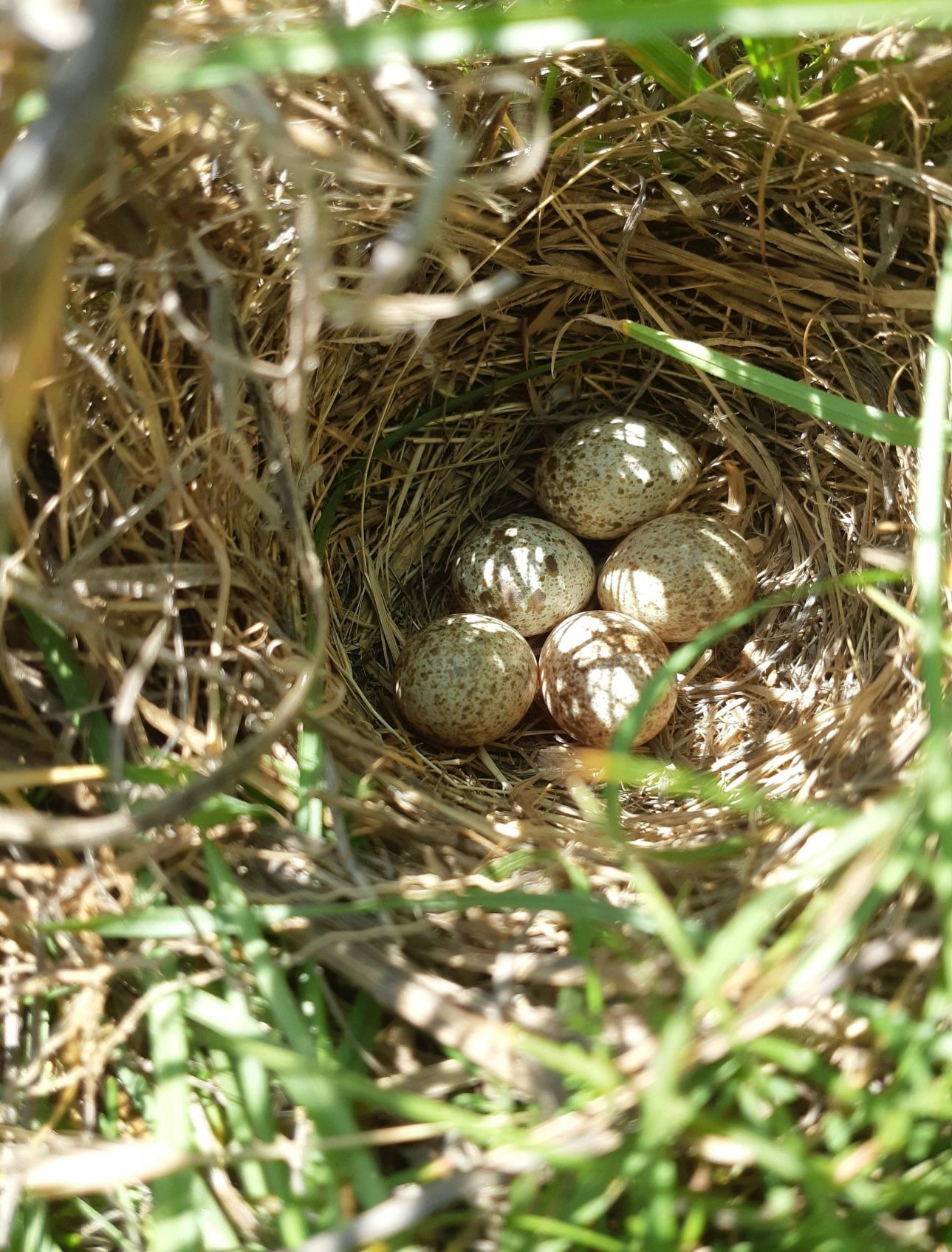
Ground-Nesting Bird Management
Ground-nesting birds present unique challenges across airfields, industrial estates, solar farms, infrastructure sites, and open commercial land. During breeding seasons, territorial behaviour can pose serious risks to personnel and disrupt essential operations.
In aviation and transport environments, these species significantly increase the risk of bird strikes—making proactive, lawful management essential.
Sectors That Benefit Most
- Aviation & Aerospace
- Food Manufacturing & Processing
- Logistics & Warehousing
- Energy & Utilities
- Construction & Infrastructure
- Commercial & Industrial Estates
- Public Sector Organisations
- Transport Authorities
All bird hazard management activities are carefully planned and lawfully executed, ensuring full compliance with wildlife legislation while protecting biodiversity and maintaining operational continuity.